Kenya has rapidly emerged as one of Africa’s most dynamic financial technology hubs. From payment service providers and digital lenders to online forex brokers and investment platforms, the ecosystem continues to expand.
However, with this growth comes increased regulatory scrutiny.
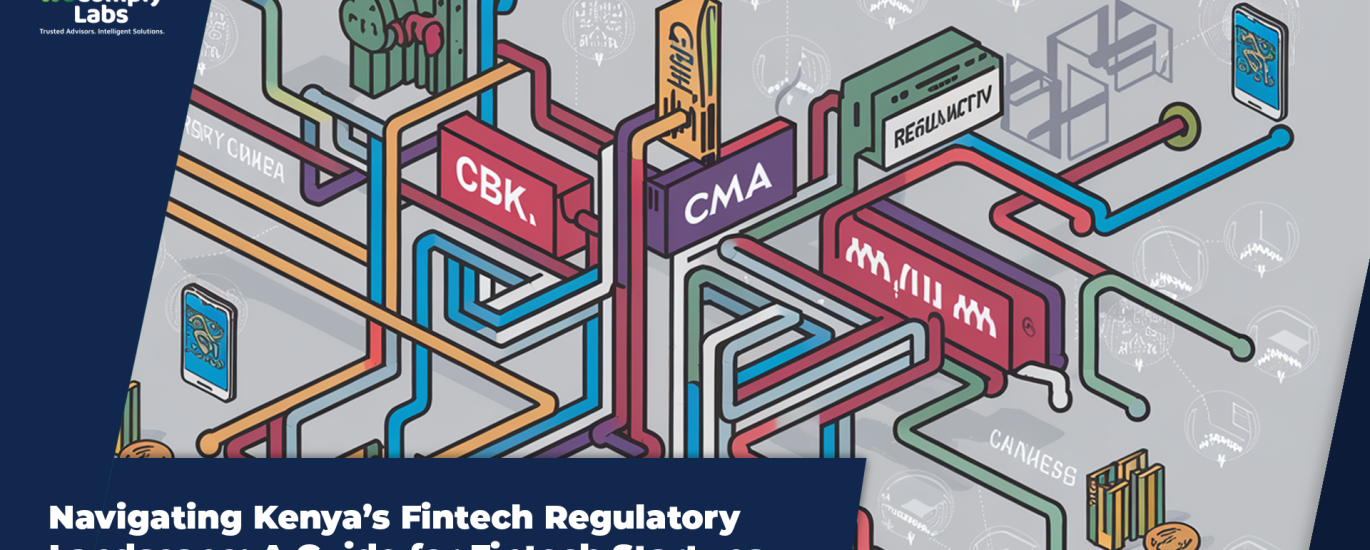
Companies operating in financial services must navigate an increasingly complex framework involving regulators such as the Capital Markets Authority (CMA), Central Bank of Kenya (CBK), Financial Reporting Centre (FRC), and the Office of the Data Protection Commissioner (ODPC).
For many businesses, the challenge is not innovation—it is regulatory compliance.
The Increasing Compliance Burden for Financial Firms
Financial services companies operating in Kenya must address multiple regulatory obligations simultaneously, including:
-
Licensing requirements
-
Anti-Money Laundering (AML) compliance
-
Client onboarding and KYC processes
-
Data protection compliance
-
Investor protection rules
-
Corporate governance obligations
-
Regulatory reporting
Failure to comply with these requirements can lead to significant financial penalties, license suspension, reputational damage, or operational restrictions.
Many businesses only seek legal advice after a regulatory issue arises, when in reality proactive compliance is far more effective.
Common Legal Challenges We See
At S.N. Nyaga & Company Advocates, we frequently assist fintech companies, brokers, and investment firms with issues such as:
1. Regulatory Licensing
Obtaining regulatory approvals from the CMA or CBK requires careful preparation of:
-
corporate structures
-
governance frameworks
-
AML/CFT policies
-
compliance manuals
-
capital adequacy documentation
Incomplete applications can significantly delay licensing timelines.
2. AML & KYC Compliance
Financial institutions must implement strong systems to detect and prevent money laundering and terrorist financing.
This includes:
-
customer due diligence procedures
-
sanctions screening
-
suspicious transaction reporting
-
ongoing monitoring of clients
Weak AML frameworks are one of the most common causes of regulatory enforcement.
3. Cross-Border Operations
Many fintech companies serve clients across East Africa. However, cross-border services raise several legal considerations:
-
regulatory permissions
-
jurisdictional restrictions
-
consumer protection obligations
-
data protection compliance
Without proper legal structuring, cross-border onboarding can expose companies to regulatory risk.
4. Regulatory Investigations and Complaints
Regulated firms must occasionally respond to:
-
regulatory inquiries
-
client complaints
-
compliance audits
-
enforcement actions
Proper legal representation ensures responses are structured, defensible, and aligned with regulatory expectations.
Why Legal Strategy Matters
Compliance should not be viewed as a regulatory burden—it is a strategic advantage.
Companies with strong governance and regulatory frameworks are better positioned to:
-
attract investors
-
secure banking relationships
-
expand into new markets
-
build long-term trust with regulators
Legal strategy therefore becomes a core component of sustainable growth.
How We Assist Financial Services Businesses
S.N. Nyaga & Company Advocates provides legal and regulatory advisory services to:
-
Fintech companies
-
Forex brokers
-
Asset managers
-
Payment service providers
-
Investment platforms
-
Digital finance startups
Our services include:
-
Regulatory licensing advisory
-
AML/CFT compliance frameworks
-
Regulatory audit preparation
-
Governance and board advisory
-
Regulatory investigations and dispute resolution
-
Cross-border regulatory structuring
Speak With Us
If your business operates in financial services, obtaining the right legal guidance early can save significant regulatory and operational risk.
To learn more about how we can assist your business, contact:
S.N. Nyaga & Company Advocates
Westpark Towers, Mpesi Lane
Westlands, Nairobi
📞 +254 728 852448
📧 info@snnyagaadvocates.co.ke